
03 / SIDE QUESTS

Built with Agents

Dangerously skipping permissions *side quest music ensues*

Role
Builder, Designer, Full-stack engineer, Researcher, Community Founder
Tools
Claude Code Codex Antigravity ChatGPT Gemini AI Studio Claude Design Stitch Figma Local models (Gemma, GLM)

I run a vibe coding community and here's what I demo and teach!

Vibe Coders reaches 100-200 people each month. Members demo working builds, explain their process, and share what failed.

In my Github you'll see my projects: my multi-agent Life OS, design system builder, and apps built with Claude Code.

Interests

  • Proactive agents
  • Autonomous long-running agents
  • Self-improving harnesses
  • Agent-readable design systems
  • Multi-agent orchestration
  • Evals for design quality
  • Agent permissioning & trust
  • Personal AI twins

My Projects

20 pixel agents
run my life.

This could have been a bunch of Claude chats.

20+ Domain agents
10 Candidate cities
21 Weighted factors
1 Git repo

Multi-agent Life OS

20+ Claude agents plan my actual life: 10 city champion agents debate each other on where Xinni should live; finance and career trackers run on a routine; entertainment and travel agents give me a personalized discovery feed.

I built the architecture, the scoring model, and every agent's prompt. Then I gave every agent a name and home in the sprite land :)

View site
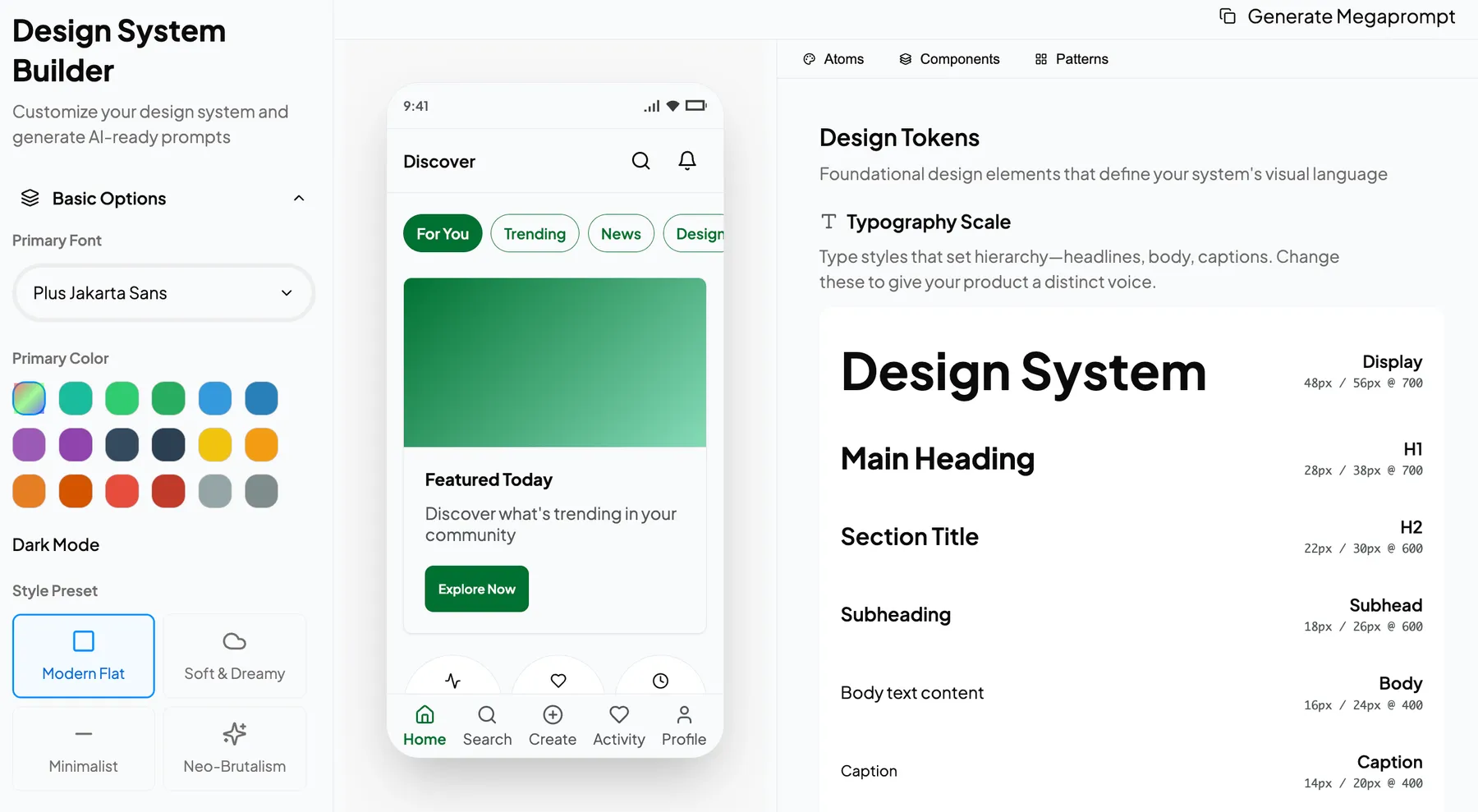

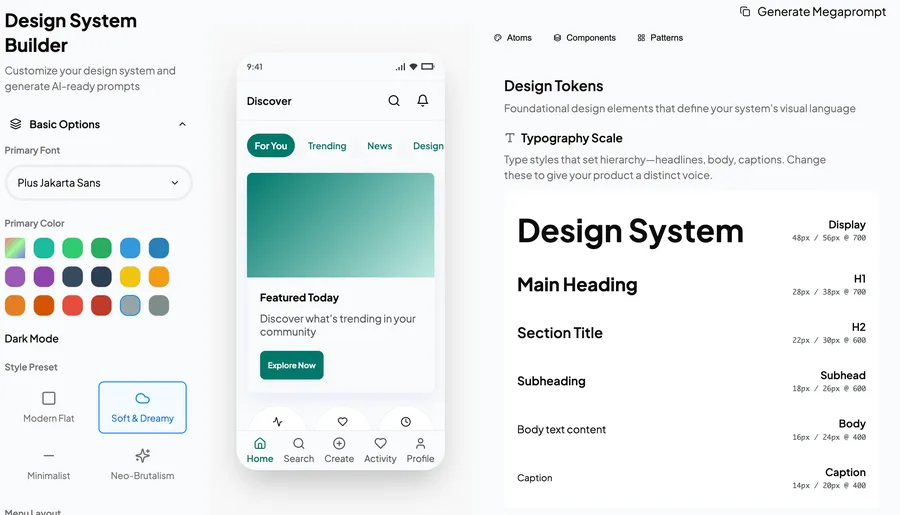
Design System Builder showing font, color, and style controls beside a mobile preview and generated typography tokens.

Design System Builder

A visual tool for selecting fonts, colors, and component styles. It converts those choices into design tokens for agents to implement in React Native apps. Currently gathering feedback from founders of consumer apps.

I ran Deep Research agents on founder design needs and top UI frameworks, then built the token and component system.

View app

This Portfolio Site

After planning my site nav and design system, I explored visual variants on Stitch and Claude Design. Using Claude, Codex and Antigravity, I coded this site with agents. Ran evals for Xinni AI after defining knowledge and persona. Audits and tests were done with Lighthouse and Playwright. I hand drew the capybara on Figma :)

Built end-to-end with coding agents, custom evals, and design-system guardrails.

  • Agents explore visual variants
  • The first capybara design: a flat vector capybara in brown, side-on with four rounded legs and a small ear, on a pale blue background labelled "v1 / sky".
    Fable 5 made this. I redrew it in Figma :P
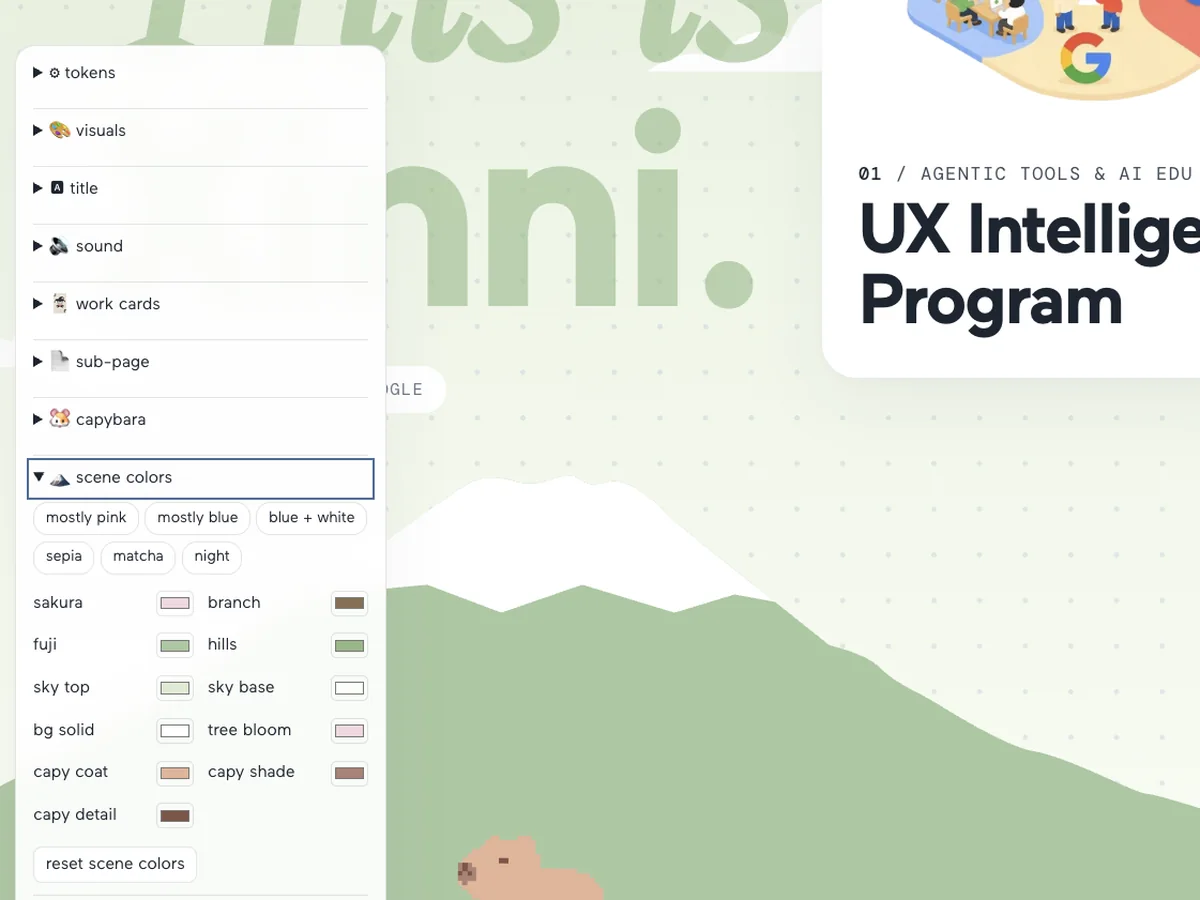
  • The site's own control panel, open on its scene-colours section with the matcha preset selected and swatches for sakura, hills, sky and the capybara, over a live green version of the homepage scene.
    Self-created tweaks panel for live finessing.

Climbing coach

A Gemini gem that gives bouldering feedback. I was making too many apps, and wanted to test MVP logic without any bespoke UI :) My friends and I tested it repeatedly on routes, then used the results to revise its diagnostic logic. The knowledge base extracts techniques from 100+ coaching videos, removes duplicates, and turns them into evaluation rules.

I built the taxonomy, processing pipeline, and evaluation criteria.

Try the coach
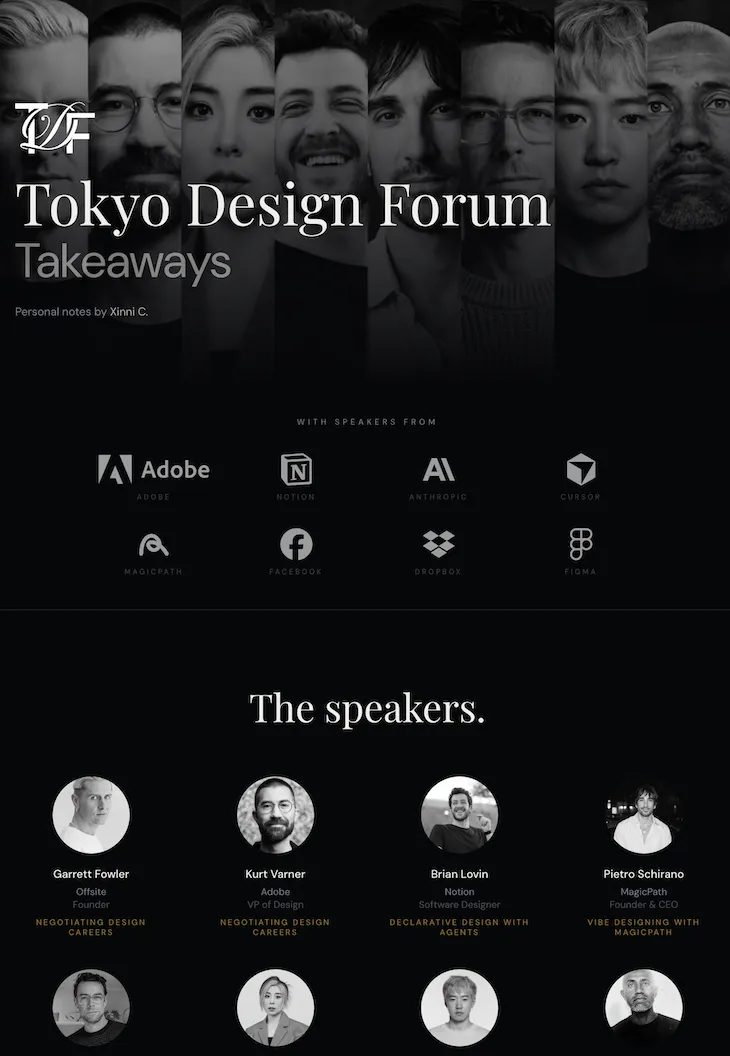
Tokyo Design Forum Takeaways page showing a black-and-white speaker collage, event takeaways, and the speaker lineup.

Tokyo Design Forum Takeaways

My personal notes from Tokyo Design Forum, collected into a site after the event.

Started with Lovable, finished with Claude. Took 2-3 hours.

View site
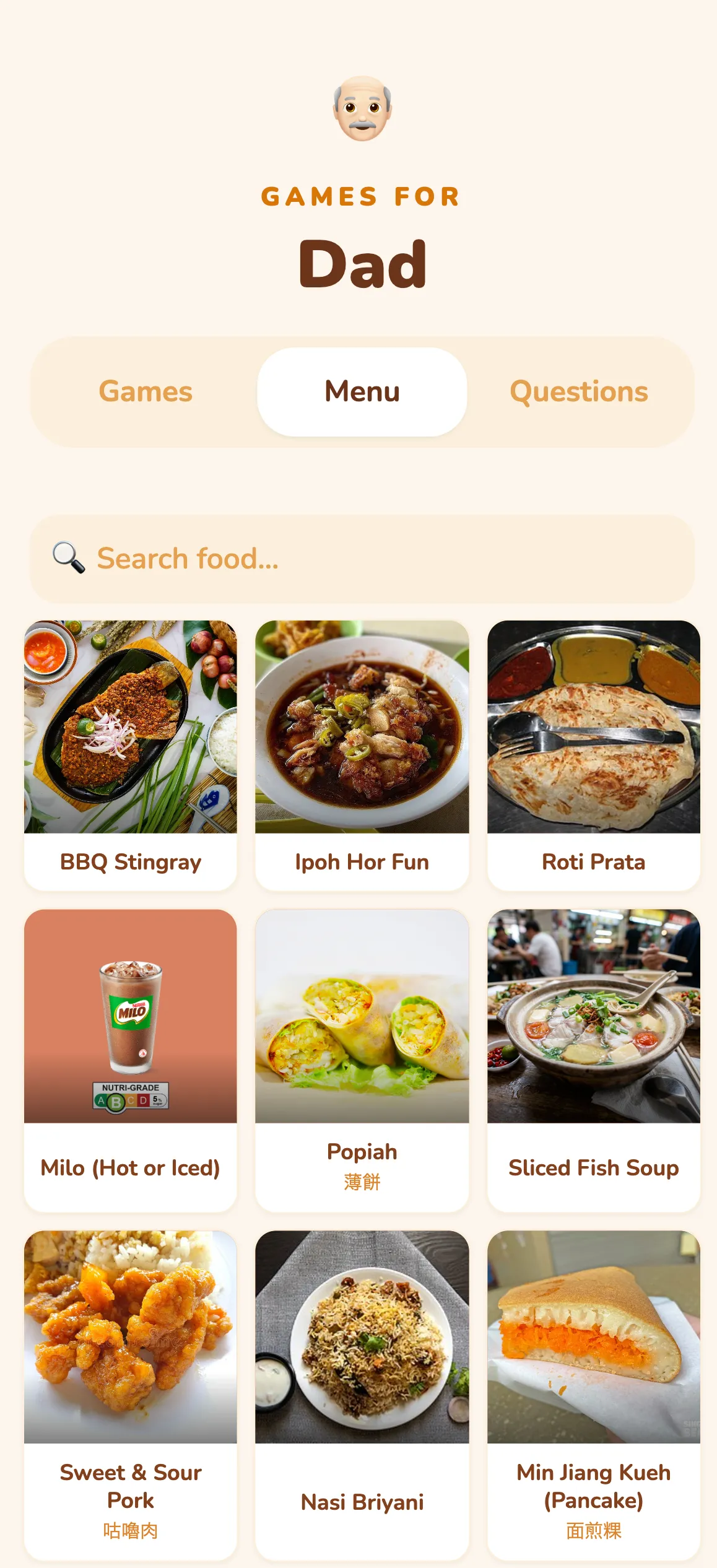
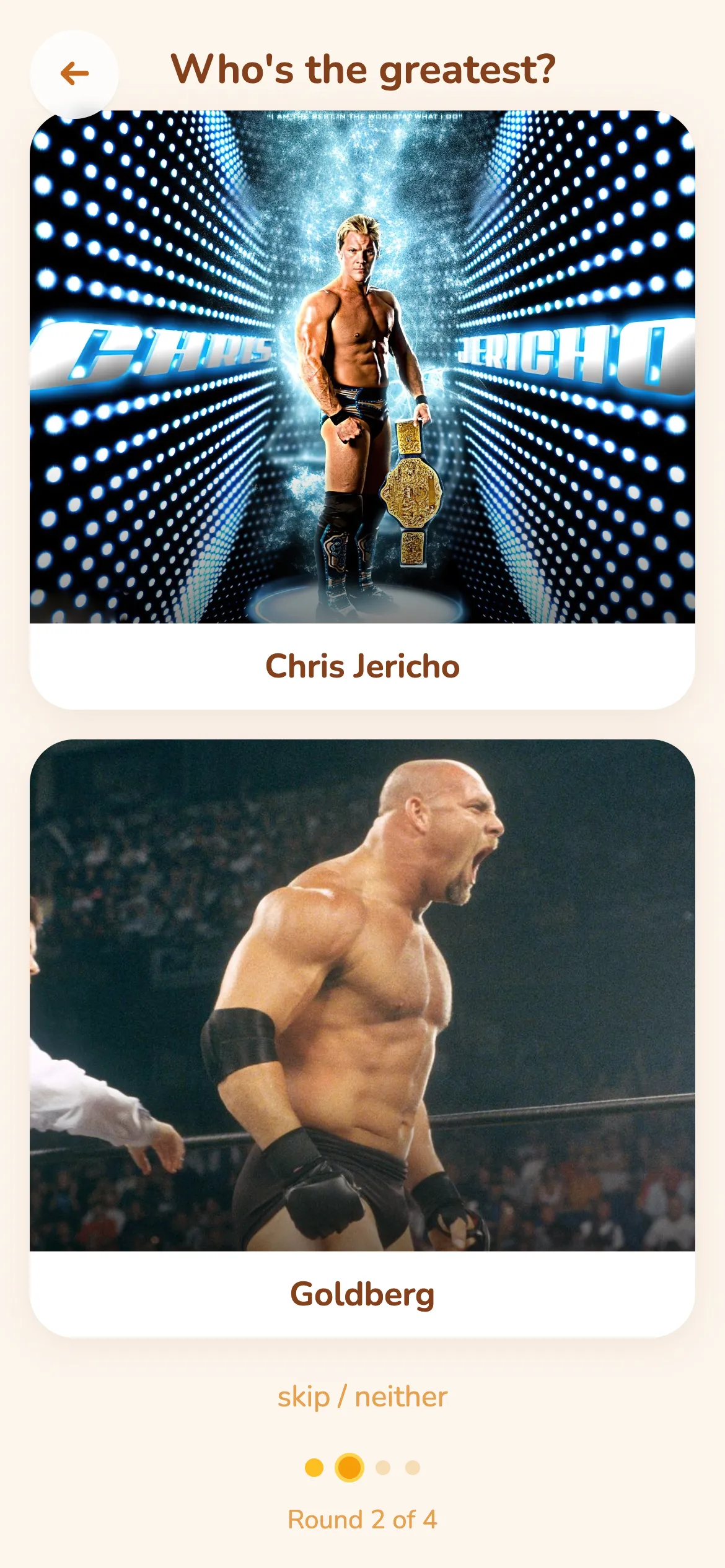
Games for Dad menu with cards for Singapore and Malaysian food games.Who's the greatest game comparing the wrestlers Chris Jericho and Goldberg.

App for my dad

My 75-year-old dad has been disabled by a stroke since 2020. AI has helped me connect with him through his interests, like food and wrestling. I designed this so he can play using only his left hand.

Ran deep research on 1950s Singapore kampung life, and turned it into nostalgic games to help him relive memories.

Favorite gems from Chinese AI

I'm most interested in asset and video generation right now. I've been exploring Chinese AI models and tools like Doubao and Lovart.

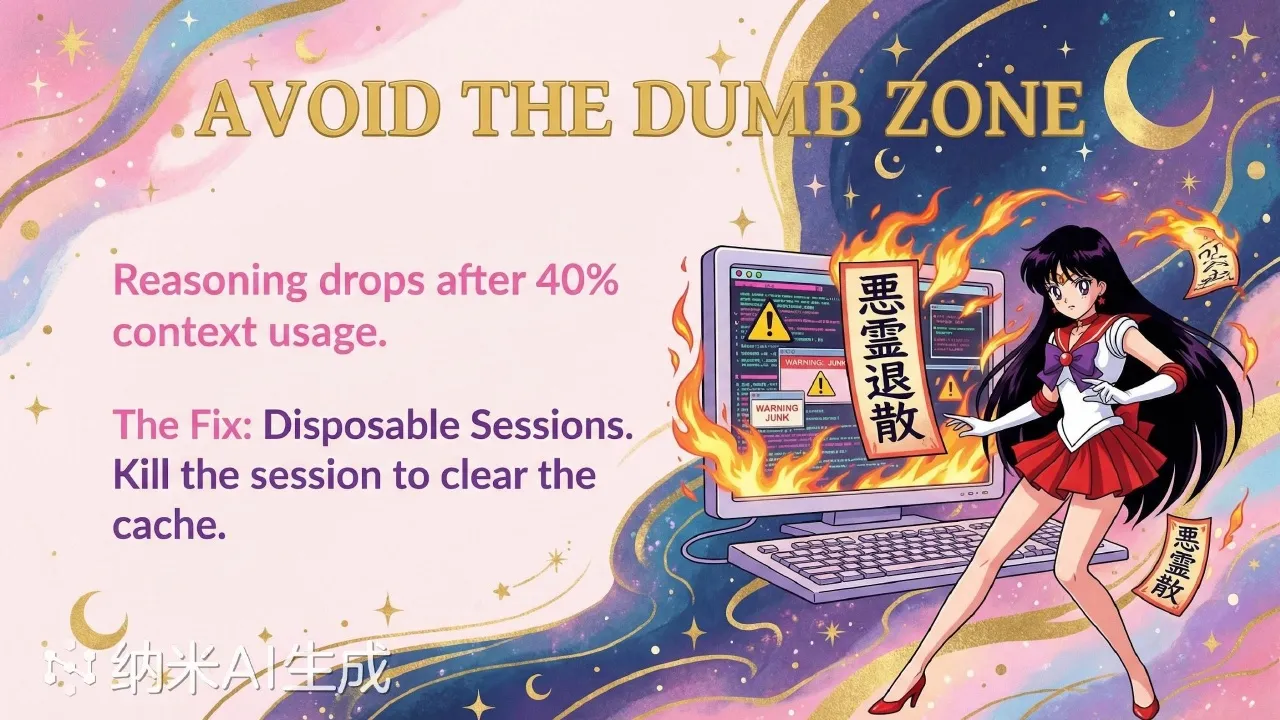
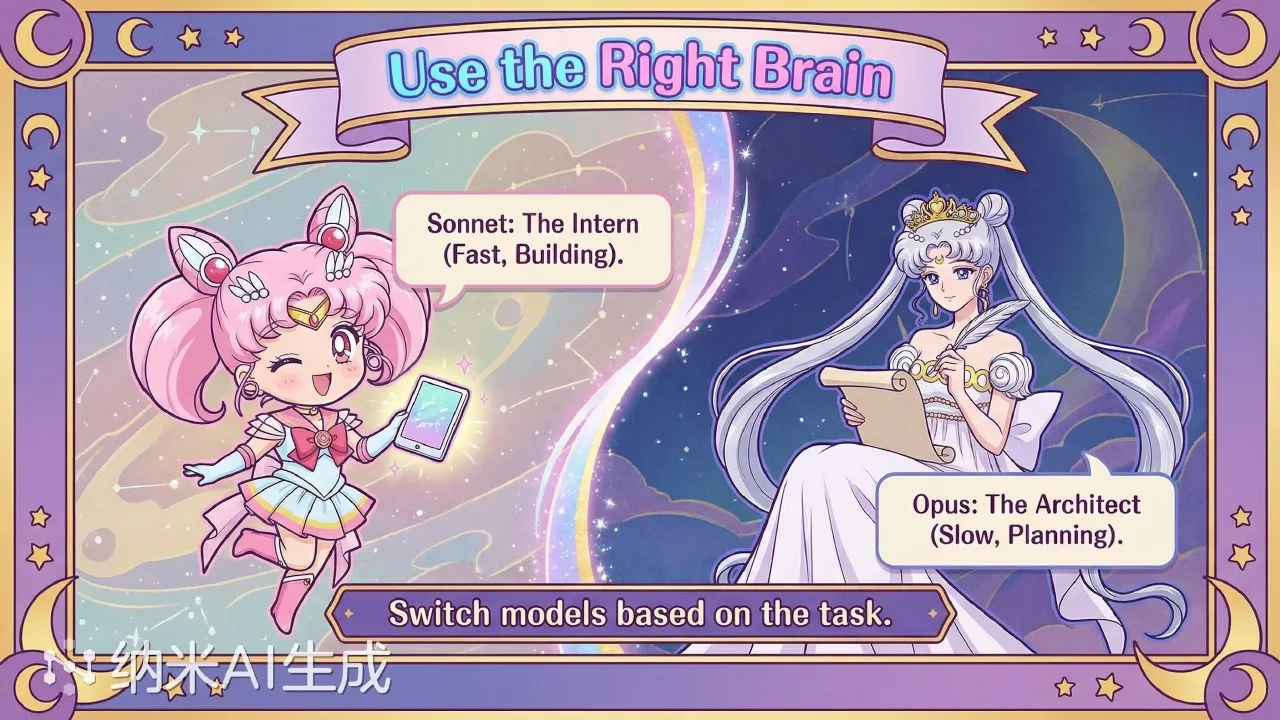
I log all my prompts and regularly ask Claude to scold me about critique my prompting and context management.

I fed the critique into n.cn and thought, why not ask it to make a Sailor Moon slide deck on better prompting?

In one shot, this is what it gave me:

Sailor Moon-style cover slide titled How I Leveled Up My AI Coding, made with n.cn.
Sailor Moon-style slide titled Avoid the Dumb Zone about restarting sessions after 40 percent context usage. Sailor Moon-style slide titled Use the Right Brain about switching AI models based on the task.
View full deck

Since then, I've been intrigued by Gen AI advances in China.

What I learned

  • Models default to agreement. A separate critic challenges the framing, flags assumptions, and argues alternatives before the main agent proceeds.

  • I keep rules, examples, and output formats in small versioned files that agents load every run.

  • I turn repeated failures into evals, then rerun them after every change to catch regressions.

  • Research runs independently. Writes, publishing, permission changes, and irreversible decisions require human approval.

  • I give agents narrow roles and explicit handoffs across research, critique, synthesis, and execution.

  • I log prompts and learnings. I use routines to regularly inspect the current harness and suggest improvements.